Storing Pu-erh at Home: A Practical Guide for Humid Climates
Unlike green tea, pu-erh is meant to change over time. Raw (sheng) pu-erh slowly becomes mellower and sweeter; ripe (shou) pu-erh loses its “pile” taste and becomes smoother. Good storage lets this happen gently, while poor storage can bring mustiness or mould.
The four basics
- Stable temperature – a cool room away from direct sun, ovens and air-conditioner vents.
- Moderate humidity – roughly 60–70% relative humidity is a commonly cited range. In very humid climates avoid damp corners and floors.
- Gentle airflow – not sealed airtight for long periods, but not in a draughty spot either.
- No odours – keep tea away from kitchens, spices, perfume and cleaning products.
Practical set-up
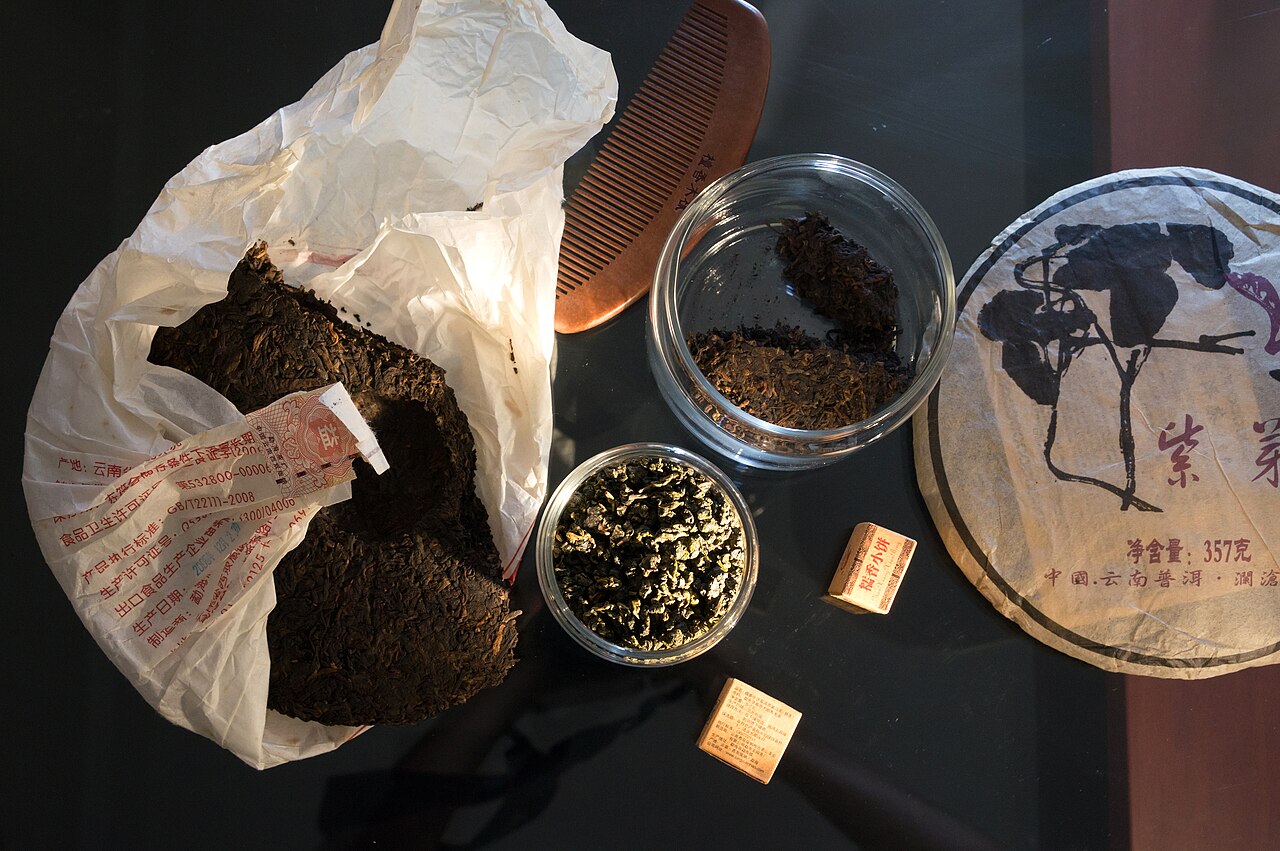
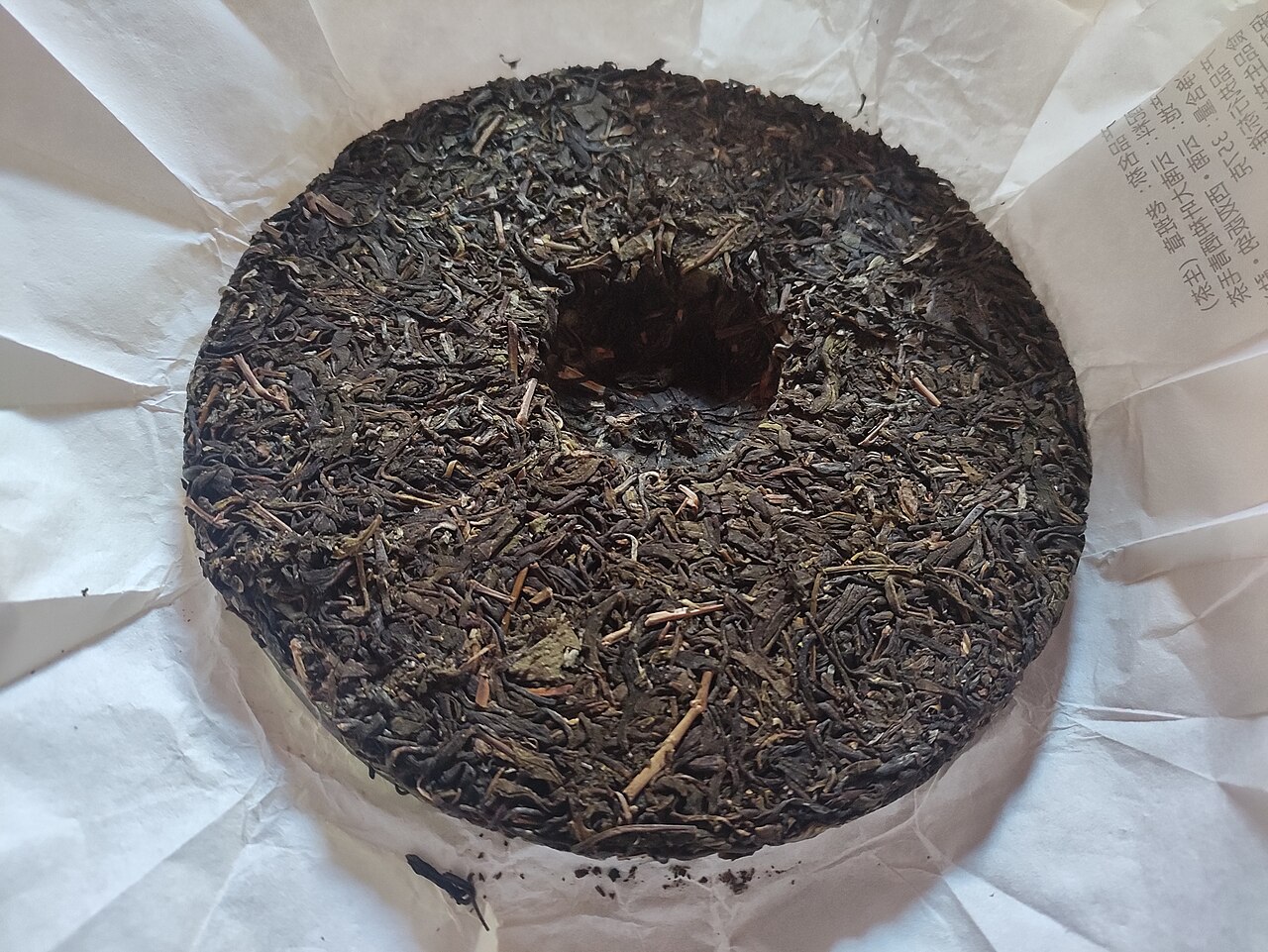
Keep cakes in their original paper wrappers and place them in a cardboard box, an unglazed clay jar or a cupboard reserved for tea. Store raw and ripe pu-erh separately, as their aromas can mingle. Write the purchase date on the wrapper so you can track how each cake develops.
For tea you are drinking now
Break off a portion of a cake and keep it in a small clay jar or tin for a few weeks. Many drinkers find it tastes better after it has “rested” for a short time.
Check regularly
- A clean, woody or sweet smell is a good sign.
- A sour, musty smell or white or green fluffy spots indicate too much moisture – move the tea somewhere drier and do not drink mouldy tea.
- Light frosting that wipes away and smells clean is usually harmless, but if in doubt, discard.