How to Choose Your First Yixing Zisha Teapot
A Yixing zisha teapot is made from the iron-rich clays of Yixing in Jiangsu province. The unglazed, slightly porous body holds heat well and, over time, a pot used for one type of tea develops a soft sheen. If you are buying your first pot, these four questions will help.
1. How many people will you brew for?
Capacity matters more than anything else. For gongfu-style brewing:
- Under 150 ml – for one or two people, ideal for high-aroma oolongs.
- 150–200 ml – the most versatile size for two or three people.
- 200–300 ml – for small groups, or for black tea and ripe pu-erh.
- Over 300 ml – for groups or for easy, longer brews through the day.
2. Which clay suits your tea?
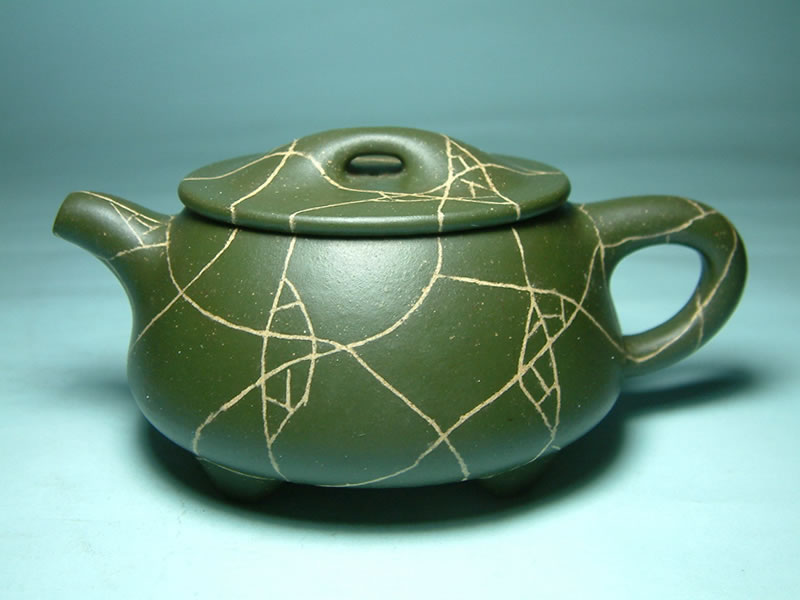
Each clay family behaves a little differently. Denser clays such as Zhu Ni tend to lift bright, floral aromas, which makes them popular for Dancong and Tieguanyin. Coarser purple clays (Zi Ni) and dark clays soften and round out roasted oolongs and pu-erh. Lighter Duan Ni and green clays are often paired with green and white teas. These are tendencies, not rules – the best test is your own cup.
3. Pick a shape you enjoy pouring
Round shapes such as Xishi and Shuiping let tightly rolled oolongs expand freely. Wide, low shapes such as Shi Piao suit large, open leaves and are easy to clean. Hold the pot if you can: check that the lid sits snugly, the spout pours in a clean stream and the handle is comfortable when the pot is full of hot water.
4. Full handmade or semi-handmade?
A full handmade pot is built from slabs of clay and shaped entirely by hand, so each piece is slightly different. A semi-handmade pot is formed in a mould and finished by hand, which keeps shapes consistent and prices accessible. Both can be excellent everyday pots; choose by budget and how much you value individual character.
A simple rule to start
Dedicate one pot to one family of tea – for example one pot for roasted oolong and another for pu-erh. Read our guide to seasoning a new pot before your first brew.

