Blog

Storing Pu-erh at Home: A Practical Guide for Humid Climates

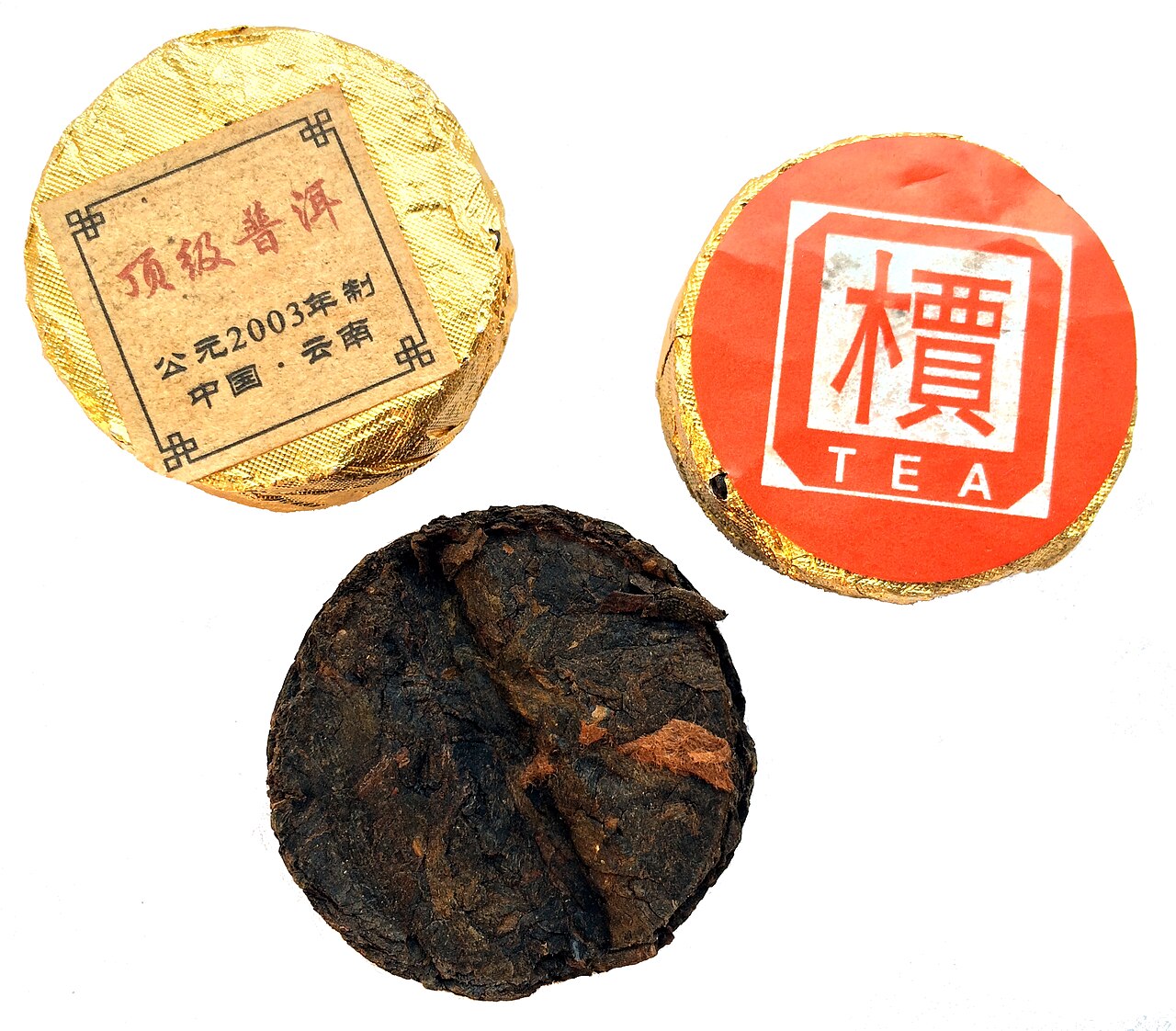
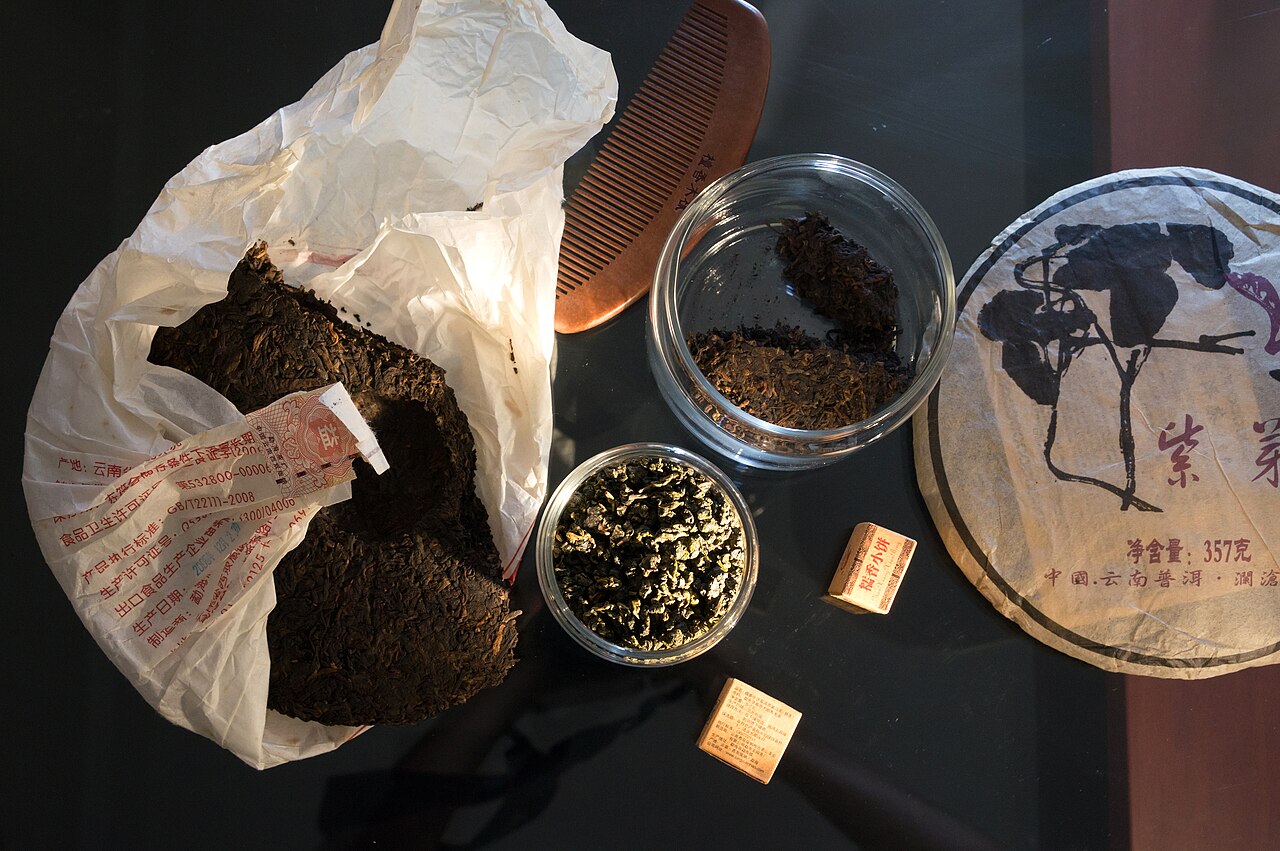
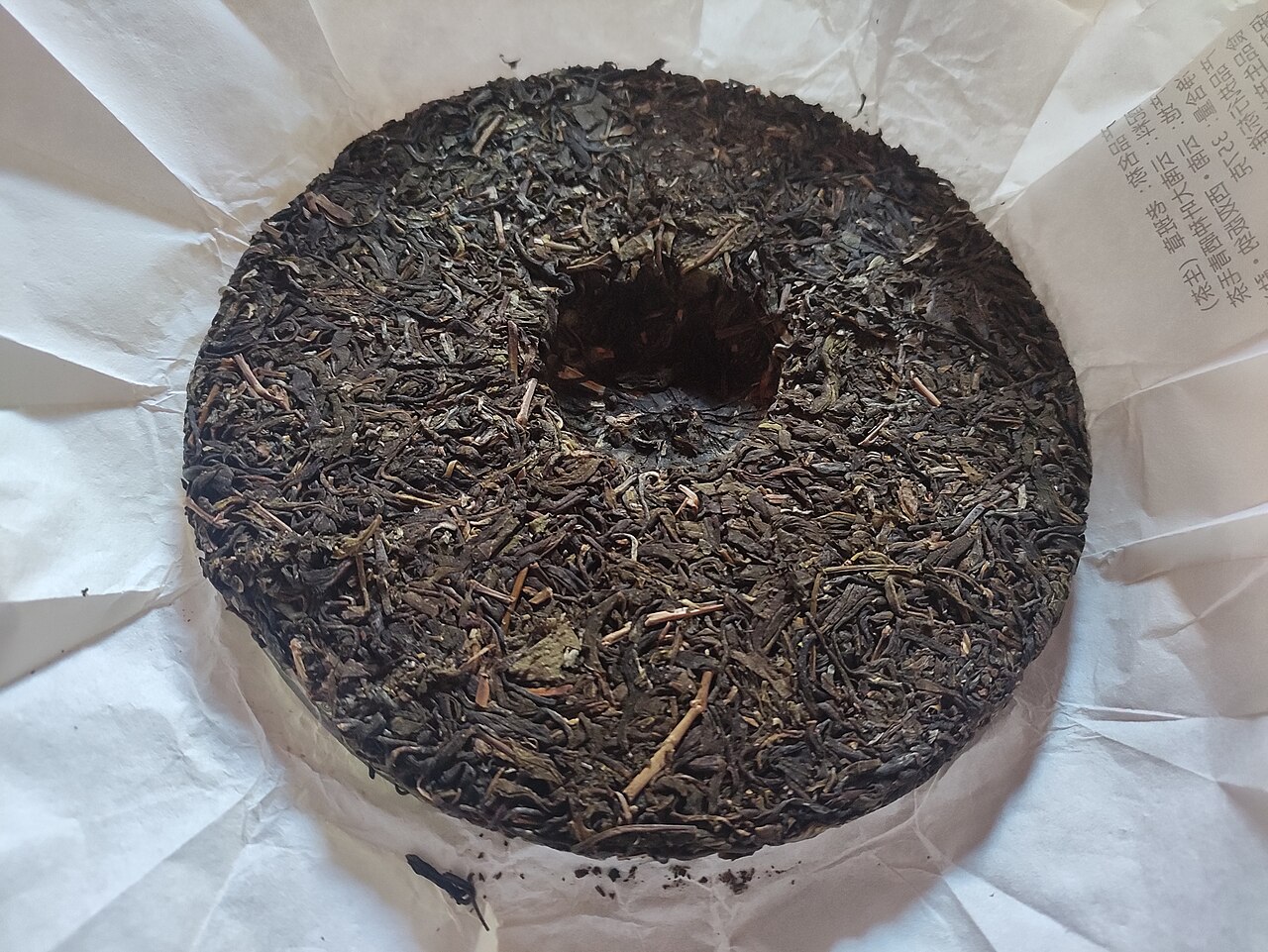
Unlike green tea, pu-erh is meant to change over time. Raw (sheng) pu-erh slowly becomes mellower and sweeter; ripe (shou) pu-erh loses its “pile” taste and becomes smoother. Good storage lets this happen gently, while poor storage can bring mustiness or mould.

The four basics

  • Stable temperature – a cool room away from direct sun, ovens and air-conditioner vents.
  • Moderate humidity – roughly 60–70% relative humidity is a commonly cited range. In very humid climates avoid damp corners and floors.
  • Gentle airflow – not sealed airtight for long periods, but not in a draughty spot either.
  • No odours – keep tea away from kitchens, spices, perfume and cleaning products.

Practical set-up

Keep cakes in their original paper wrappers and place them in a cardboard box, an unglazed clay jar or a cupboard reserved for tea. Store raw and ripe pu-erh separately, as their aromas can mingle. Write the purchase date on the wrapper so you can track how each cake develops.

For tea you are drinking now

Break off a portion of a cake and keep it in a small clay jar or tin for a few weeks. Many drinkers find it tastes better after it has “rested” for a short time.

Check regularly

  • A clean, woody or sweet smell is a good sign.
  • A sour, musty smell or white or green fluffy spots indicate too much moisture – move the tea somewhere drier and do not drink mouldy tea.
  • Light frosting that wipes away and smells clean is usually harmless, but if in doubt, discard.
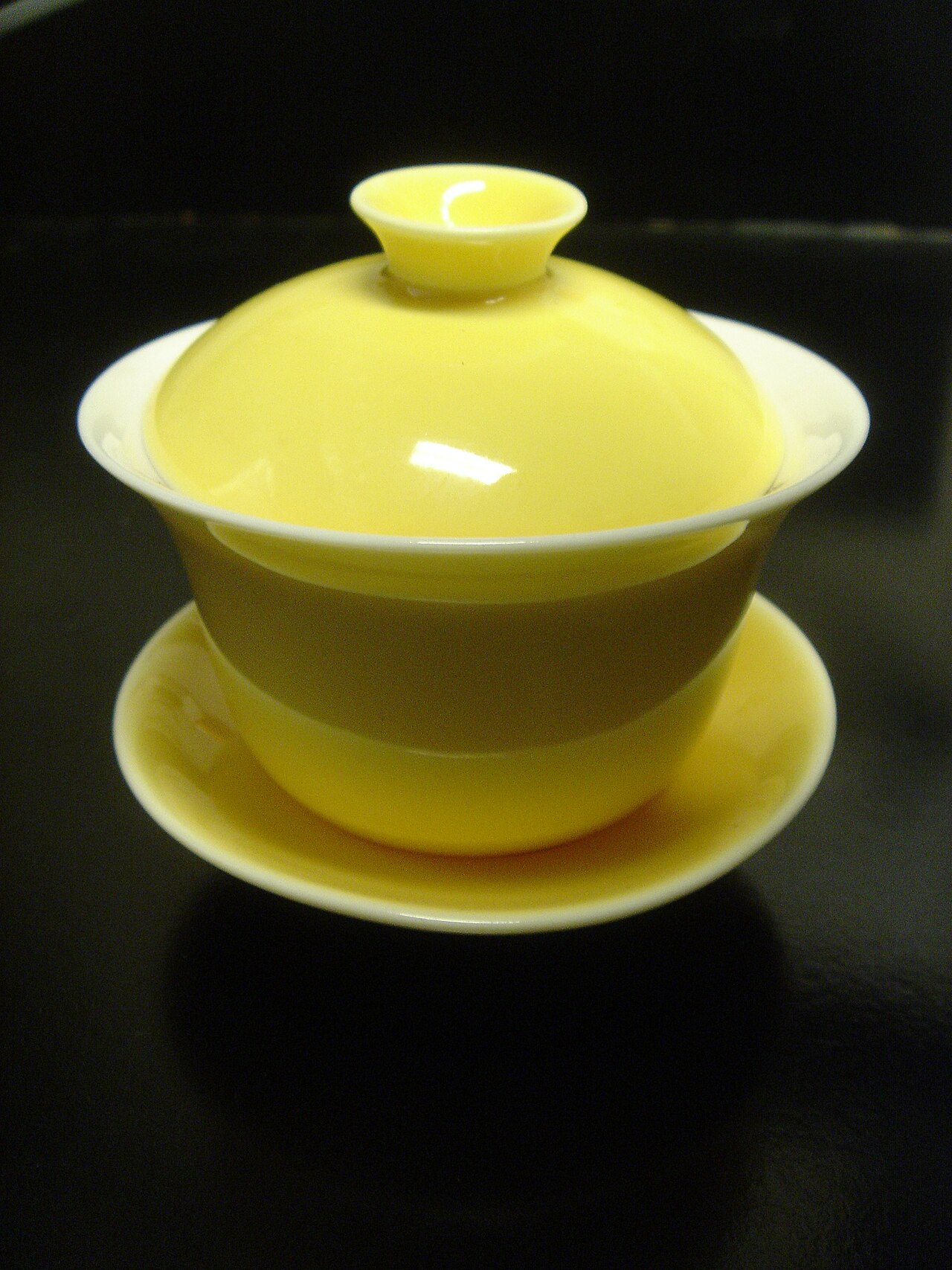
Gaiwan or Teapot? Choosing the Right Brewing Vessel

Both the gaiwan (a lidded bowl on a saucer) and the small clay teapot are classic tools for gongfu brewing. Neither is “better” – they simply do different jobs.

The gaiwan: honest and versatile

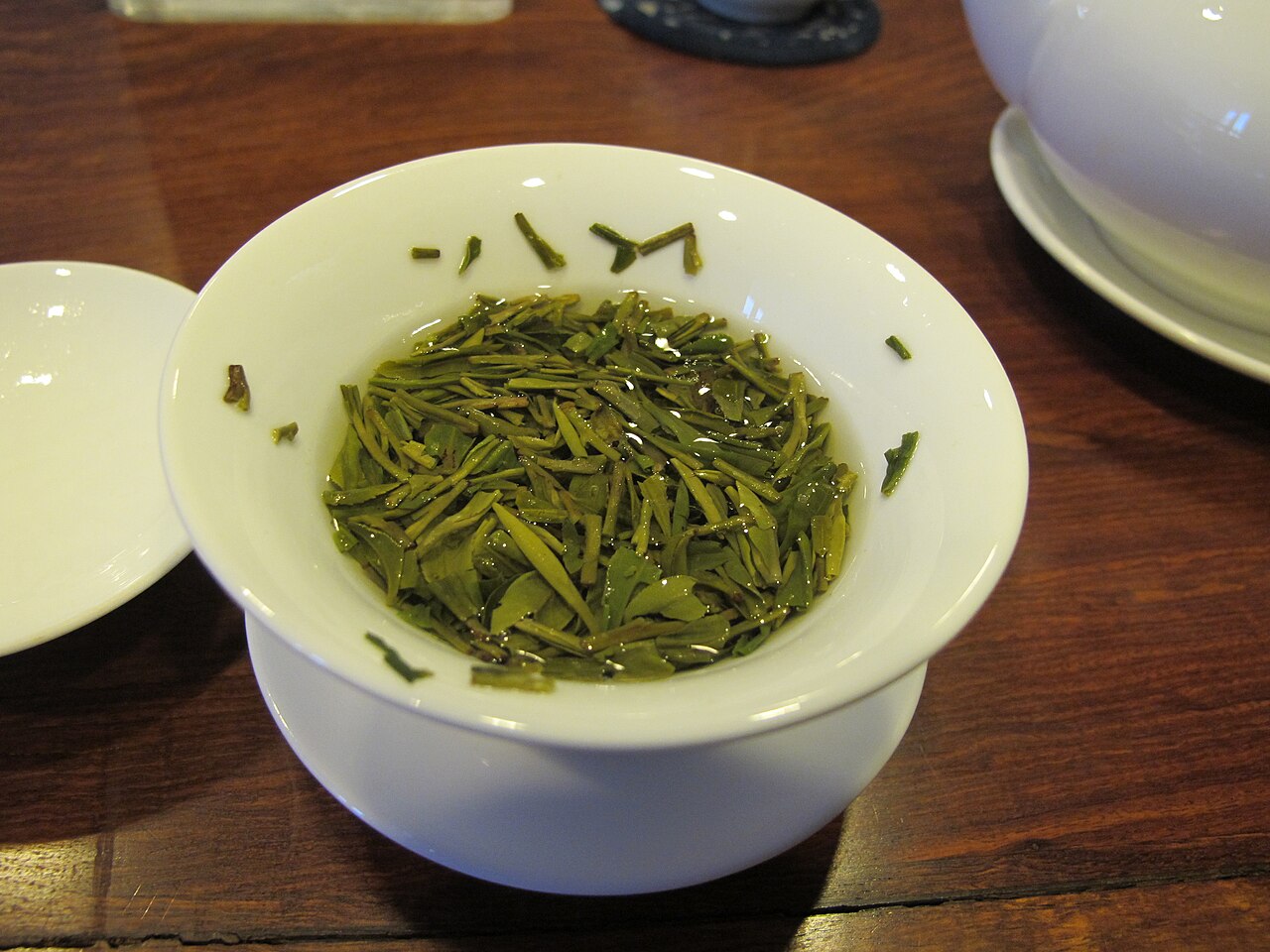
Glazed porcelain or glass does not absorb aroma, so a gaiwan shows you the tea exactly as it is. It is easy to clean, you can see and smell the leaves between infusions, and you can use it for any type of tea. That makes it the best choice for tasting new teas and comparing samples.

  • Best for: green, white, yellow and flower teas; tasting and comparing.
  • Watch out: the rim gets hot – fill to just below the rim and hold the edge of the saucer and the lid knob.

The clay teapot: rounder and warmer

An unglazed zisha pot keeps heat well and many drinkers find it rounds off sharp edges in the cup. Because the clay slowly takes on the character of the tea, it is best kept for one family of teas.

  • Best for: roasted oolongs, rock teas, black tea and pu-erh.
  • Watch out: dedicate it to one tea type and never use detergent.

Quick comparison

  • Cleaning: gaiwan – very easy; teapot – rinse with water only.
  • Aroma: gaiwan – neutral; teapot – softer, rounder.
  • Learning curve: gaiwan – takes practice to pour; teapot – easier to pour.
  • Flexibility: gaiwan – any tea; teapot – one tea family.

Our suggestion

Start with a 120–150 ml gaiwan to learn your teas. When you find a style you drink every day, add a zisha pot dedicated to it.

Seasoning a New Zisha Teapot: A Simple, Gentle Method

Seasoning (often called “opening” the pot) simply means cleaning a new pot and getting it ready for the tea you plan to use. Many elaborate methods circulate online; a gentle approach is safer for the clay and works perfectly well.

What you need

  • Your new pot and its lid
  • A clean pan or bowl large enough to hold the pot
  • Hot water (not violently boiling if the pot sits in the pan)
  • A small amount of the tea you plan to brew in this pot

Step by step

  • Rinse the pot inside and out with warm water to remove dust from the kiln and packaging.
  • Place the pot and lid in a clean bowl and pour hot water over them until covered. Leave for 15–30 minutes, then let the water cool naturally.
  • Rinse again and check the spout and filter holes for any clay particles.
  • Brew a pot of the tea you plan to use, let it steep for a few minutes and pour it away. Repeat once or twice.
  • Dry the pot with the lid off in a well-ventilated place.

What to avoid

  • Detergent or soap – the porous clay can absorb the scent.
  • Sudden temperature shocks, such as pouring boiling water into a cold pot straight from an air-conditioned room.
  • Boiling a pot in a pan with other pots touching it – they may chip.

Everyday care

After each session, empty the leaves, rinse with hot water and leave the lid off to dry. Over months of regular use, the surface develops a natural sheen. There is no need to polish it with tea or cloths – regular brewing does the work.

How to Choose Your First Yixing Zisha Teapot

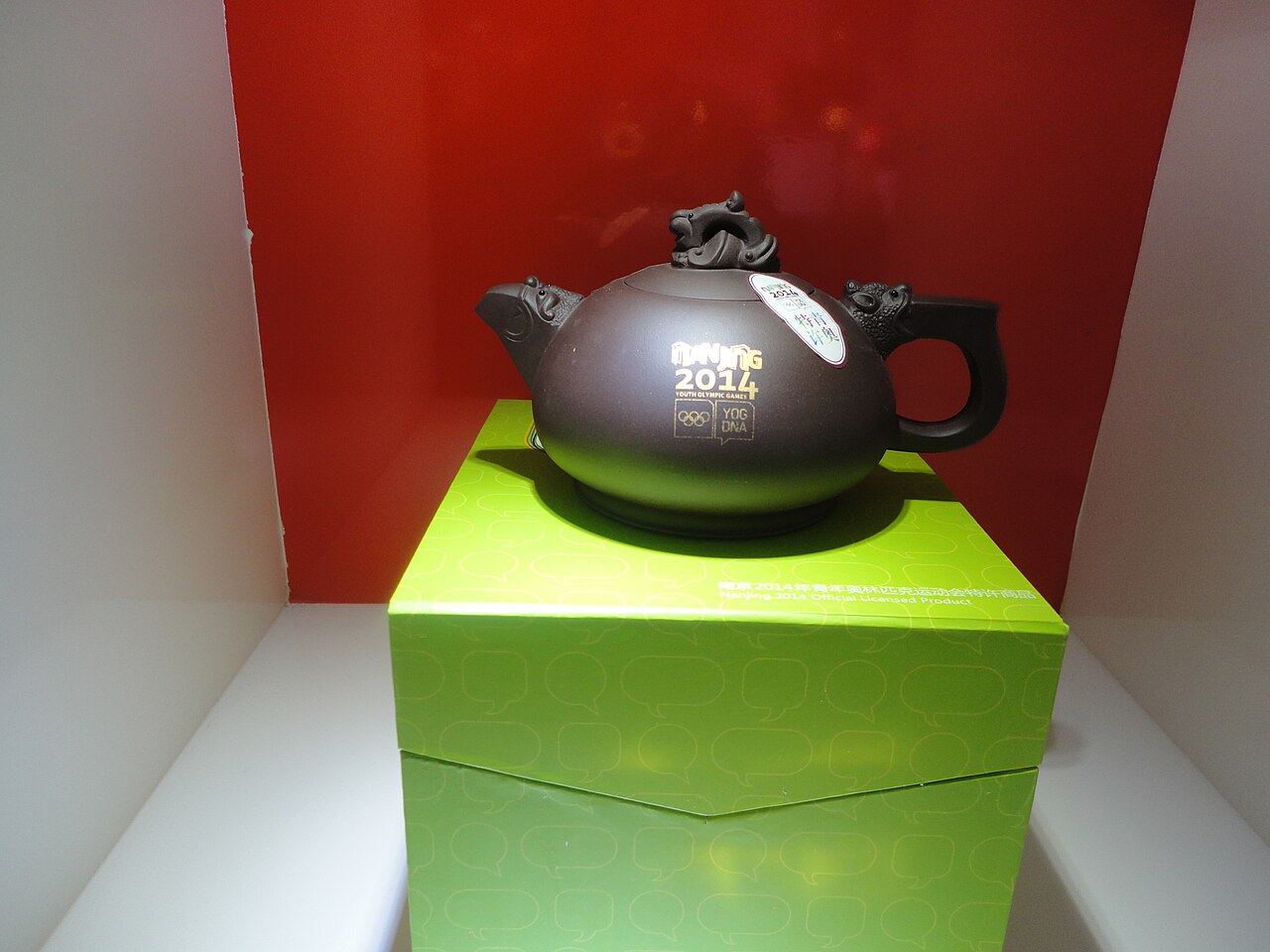
A Yixing zisha teapot is made from the iron-rich clays of Yixing in Jiangsu province. The unglazed, slightly porous body holds heat well and, over time, a pot used for one type of tea develops a soft sheen. If you are buying your first pot, these four questions will help.

1. How many people will you brew for?

Capacity matters more than anything else. For gongfu-style brewing:

  • Under 150 ml – for one or two people, ideal for high-aroma oolongs.
  • 150–200 ml – the most versatile size for two or three people.
  • 200–300 ml – for small groups, or for black tea and ripe pu-erh.
  • Over 300 ml – for groups or for easy, longer brews through the day.

2. Which clay suits your tea?

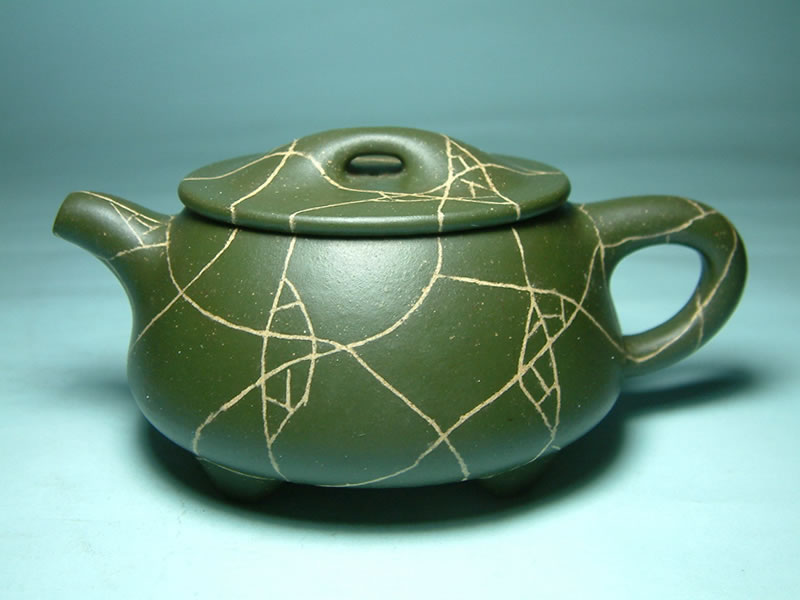
Each clay family behaves a little differently. Denser clays such as Zhu Ni tend to lift bright, floral aromas, which makes them popular for Dancong and Tieguanyin. Coarser purple clays (Zi Ni) and dark clays soften and round out roasted oolongs and pu-erh. Lighter Duan Ni and green clays are often paired with green and white teas. These are tendencies, not rules – the best test is your own cup.

3. Pick a shape you enjoy pouring

Round shapes such as Xishi and Shuiping let tightly rolled oolongs expand freely. Wide, low shapes such as Shi Piao suit large, open leaves and are easy to clean. Hold the pot if you can: check that the lid sits snugly, the spout pours in a clean stream and the handle is comfortable when the pot is full of hot water.

4. Full handmade or semi-handmade?

A full handmade pot is built from slabs of clay and shaped entirely by hand, so each piece is slightly different. A semi-handmade pot is formed in a mould and finished by hand, which keeps shapes consistent and prices accessible. Both can be excellent everyday pots; choose by budget and how much you value individual character.

A simple rule to start

Dedicate one pot to one family of tea – for example one pot for roasted oolong and another for pu-erh. Read our guide to seasoning a new pot before your first brew.

Tea in Nanyang: How Tea Became Part of Southeast Asian Life

Walk into almost any home or coffee shop in Malaysia and you will find tea in some form. Chinese immigrants brought their tea habits from Fujian, Guangdong and beyond, and those traditions mixed with local tastes over the generations.

Many cups, one region

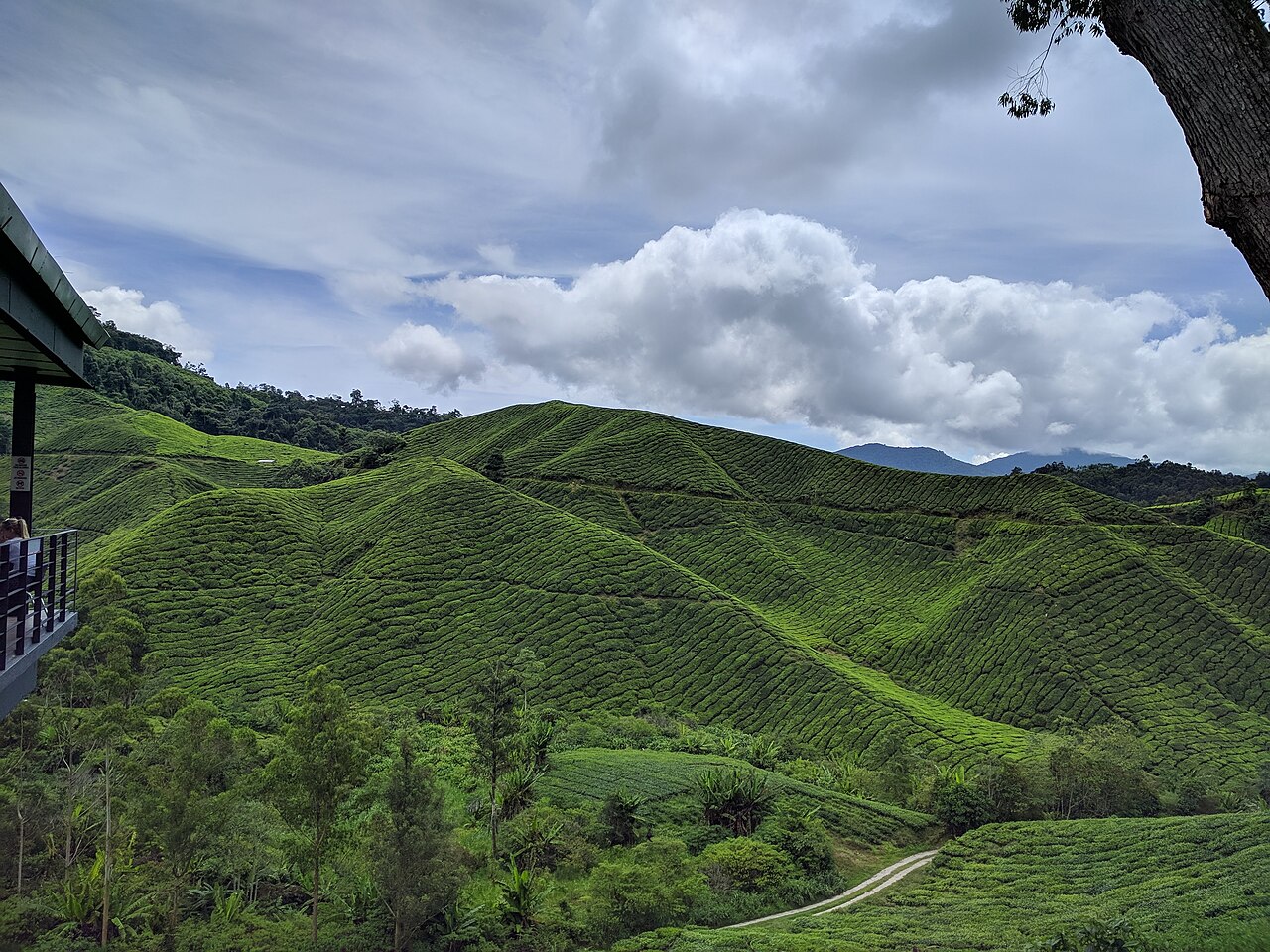
  • Highland tea: Malaysia grows its own tea in cool highland areas such as the Cameron Highlands, mostly made into black tea.
  • Coffee-shop classics: milky “teh” and the theatrically poured teh tarik are everyday favourites.
  • Dim sum and yum cha: pu-erh, tieguanyin and chrysanthemum tea are common partners for dim sum.
  • Gongfu at home: many families keep a small tea tray for oolong and pu-erh, especially among Teochew and Hokkien communities.

Our take

At Nanyang Aroma Tea we love all of these. Our aim is to help you enjoy fine Chinese teas in a way that fits life in the tropics – easy to brew, easy to store and great to share.

Water Temperature & Leaf Ratio: A Tea Brewing Cheat Sheet

Three things decide how your cup tastes: water temperature, amount of leaf and steeping time. Use this table as a starting point and adjust to taste.

TeaWaterLeaf (per 100–150 ml)First steep
Green tea75–85°C3 g1–2 min (glass) / 30 s (gaiwan)
White tea85–90°C (aged: 95–100°C)4–5 g30–60 s
Light oolong95°C6–7 g15–20 s
Roasted oolong100°C7–8 g10–15 s
Black tea90–95°C4–5 g15–30 s (gaiwan) / 2–3 min (pot)
Pu-erh95–100°C6–8 g10–20 s after a quick rinse

Water matters too

Use fresh, filtered water and avoid re-boiling it many times. Without a temperature-controlled kettle, let boiled water rest with the lid open: it cools to roughly 80–85°C after a few minutes.

How to Store Pu-erh Tea in a Tropical Climate

Pu-erh is one of the few teas that can improve with age. Southeast Asia’s warm, humid weather can speed up ageing – but it can also cause mould if storage is careless.

The basics

  • Keep it clean and odour-free: tea absorbs smells easily – never store it near the kitchen, spices or perfumes.
  • Keep it dark: avoid direct sunlight.
  • Mind the humidity: roughly 60–70% relative humidity is a common target. During very wet months, store cakes in their wrappers inside a box or clay jar, off the floor and away from walls.
  • Steady temperature: avoid places that heat up a lot, such as near windows or under the roof.
  • Check occasionally: white fluffy spots or a musty smell are signs of mould – separate that cake immediately.

Raw vs ripe

Raw (sheng) pu-erh changes most over the years, while ripe (shou) pu-erh is ready to drink now and simply gets smoother. Many people keep a few raw cakes for ageing and ripe pu-erh for daily drinking.

The Six Types of Chinese Tea, Explained

All “true” tea comes from one plant, Camellia sinensis. Chinese tea is traditionally grouped into six families according to how the leaves are processed – especially how much they are oxidised.

  • Green tea: heated soon after picking to stop oxidation. Fresh and vegetal – e.g. Longjing, Biluochun.
  • White tea: simply withered and dried. Delicate and sweet – e.g. Silver Needle, White Peony.
  • Yellow tea: similar to green tea with an extra gentle “yellowing” step; rare and mellow.
  • Oolong: partially oxidised, from light and floral to dark and roasted – e.g. Tieguanyin, Da Hong Pao, Dancong.
  • Black tea (called “red tea” in Chinese): fully oxidised, sweet and malty – e.g. Keemun, Dianhong, Lapsang Souchong.
  • Dark tea: post-fermented teas that change with age – pu-erh is the best known.

Where to start?

If you like light, fresh flavours, try a green or white tea. If you enjoy fragrance, explore oolongs. For something rich and comforting, go for black tea or ripe pu-erh.

A Beginner’s Guide to Gongfu Tea Brewing

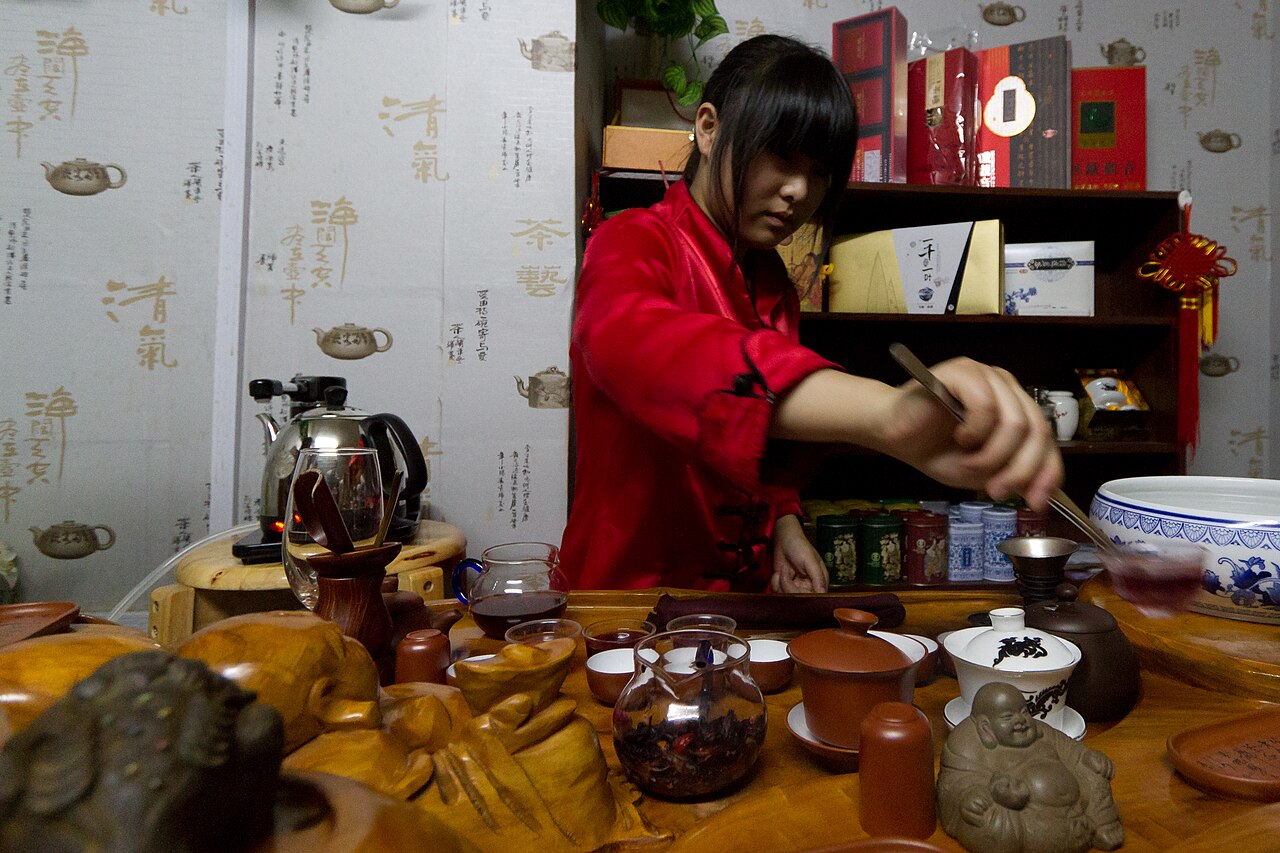
Gongfu cha simply means “making tea with skill and care”. Instead of one big mug steeped for minutes, you use a small teapot or gaiwan, more leaves and many short infusions. Each round tastes a little different – that is the fun of it.

What you need

  • A gaiwan or small teapot (100–150 ml)
  • A fair cup to even out the brew
  • A few small tasting cups
  • A kettle – ideally one with temperature control
  • Loose-leaf tea and a small scale or teaspoon

Step by step

  • Warm the vessels: rinse the gaiwan and cups with hot water.
  • Add leaves: about 5–8 g for 100–120 ml (more for rolled oolongs and pu-erh, less for green tea).
  • Rinse (optional): for pu-erh, aged white tea and rolled oolongs, pour water in and out quickly to “wake up” the leaves.
  • Short infusions: start with 10–20 seconds, pour everything into the fair cup, then serve.
  • Repeat: add a few seconds for each infusion. Good leaves give 6–10 rounds or more.

Tips

If the tea tastes too strong or bitter, shorten the time or lower the temperature rather than using less leaf. Brewing in Malaysia’s warm weather? Keep the tea itself sealed and dry between sessions – humidity is the biggest enemy of loose tea.